
Your cooking fat might be the missing piece in your gut health puzzle. Here’s what the science says about ditching processed seed oils and returning to traditional beef tallow — and why your gut microbiome will thank you.
If you’ve been dealing with bloating, digestive discomfort, or that vague sense that your gut just isn’t working the way it should, you’ve probably already looked at your diet. You might have cut out gluten, tried probiotics, or experimented with intermittent fasting. But there’s one culprit that often flies under the radar: the cooking fat sitting in your kitchen cupboard.
Seed oils — canola, soybean, sunflower, corn, and their industrial cousins — are everywhere. They’re in your supermarket-bought salad dressing, your favourite takeaway, and the bottle labelled “vegetable oil” that’s been a dietary staple since the mid-20th century. For decades, we were told these oils were heart-healthy. But emerging research tells a very different story, particularly when it comes to your gut.
At Tee’s Tallow, we believe that going back to basics — cooking with traditional, nutrient-dense beef tallow — isn’t just a trend. It’s a return to something our bodies were built for. In this post, we’re diving deep into the science behind seed oils and gut health, and why making the switch to tallow could be one of the most meaningful changes you make for your digestive wellbeing.
What Are Seed Oils, and Why Are They a Problem?
Seed oils are extracted from the seeds of various plants — soybeans, corn, rapeseed, sunflowers, safflowers, and more. Unlike olive oil or coconut oil, which are pressed from fruit flesh, seed oils require intensive industrial processing: high heat, chemical solvents, bleaching, and deodorising. The result is a highly refined product that bears little resemblance to anything our ancestors would recognise as food.
The core nutritional issue with seed oils is their extraordinarily high content of omega-6 fatty acids — specifically linoleic acid. Omega-6 fats are not inherently bad; they are classified as essential fatty acids, meaning the body cannot produce them independently and must obtain them through diet. The problem is a question of proportion.
Traditional human diets provided omega-6 and omega-3 fatty acids in a ratio of roughly 1:1 to 4:1. Today, research suggests that Western diets have an omega-6 to omega-3 ratio of 15:1 or higher — and in some populations, closer to 20:1. This dramatic imbalance is largely attributable to the widespread adoption of seed oils across the food supply from the 1960s onwards.
That imbalance matters enormously for inflammation. The body uses both omega-6 and omega-3 fatty acids to produce signalling molecules called eicosanoids. Omega-3-derived eicosanoids are anti-inflammatory, while omega-6-derived eicosanoids tend to be pro-inflammatory. When omega-6 intake vastly outweighs omega-3, the body is persistently nudged towards a state of chronic low-grade inflammation — the underlying driver of a long list of modern health complaints.
Seed Oils and Your Gut Microbiome: What the Research Shows
Your gut microbiome — the trillions of bacteria, fungi, and other microorganisms living in your digestive tract — is one of the most important systems in your body. It regulates immune function, modulates inflammation, supports nutrient absorption, and even influences mood via the gut-brain axis. Disrupting it has consequences that ripple throughout your entire body.
So what happens to the gut microbiome when it’s regularly exposed to seed oils? The evidence is increasingly concerning.
Research from the University of California Riverside found that a diet high in soybean oil encouraged the growth of adherent invasive E. coli in the gut — a bacterium linked to inflammatory bowel disease (IBD) in humans. At the same time, the study found that beneficial bacteria were unable to survive elevated linoleic acid concentrations and died off. The researchers described it as “the combination of good bacteria dying off and harmful bacteria growing out” — a phenomenon known as gut dysbiosis.
Perhaps most alarmingly, the UC Riverside study found that linoleic acid causes the intestinal epithelial barrier to become porous. This is the biological basis of what’s commonly called “leaky gut” — a condition in which the lining of the gut becomes permeable, allowing toxins, undigested food particles, and harmful bacteria to enter the bloodstream and trigger systemic inflammation.
Further supporting this picture, emerging research has shown that excess omega-6 fatty acids can promote dysbiosis by reducing populations of beneficial microbes such as Bifidobacterium and Lactobacillus — two of the most important genera for digestive and immune health. This microbial imbalance has been linked to irritable bowel syndrome (IBS), inflammatory bowel disease, obesity, and autoimmune conditions.
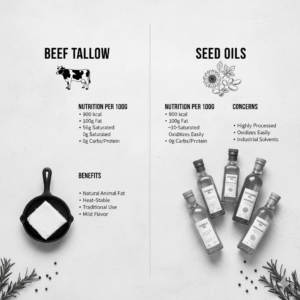
There’s also the issue of oxidative instability. Seed oils are rich in polyunsaturated fats (PUFAs), which are chemically unstable — particularly when exposed to heat. When you cook with seed oils at high temperatures, the fats oxidise and generate harmful byproducts called lipid peroxides and aldehydes. These oxidised lipids can damage the epithelial cells lining the gut, compromising the tight junction proteins that maintain gut barrier integrity. In short, heating seed oils doesn’t just degrade the oil — it creates compounds that may actively harm the gut lining.
This is why many functional medicine practitioners now consider the widespread use of industrial seed oils to be one of the most significant — and underappreciated — contributors to poor digestive health in the modern world.
Why Tallow Is Different: A Fat Our Bodies Recognise
Beef tallow is rendered beef fat — specifically the fat surrounding the kidneys and loins of grass-fed cattle. It has been used as a cooking fat for thousands of years, across virtually every culture that had access to ruminant animals. McDonald’s famously cooked its fries in beef tallow until 1990, when pressure from diet campaigners led the chain to switch to vegetable oils. (The fries, by many accounts, were better before the switch.)
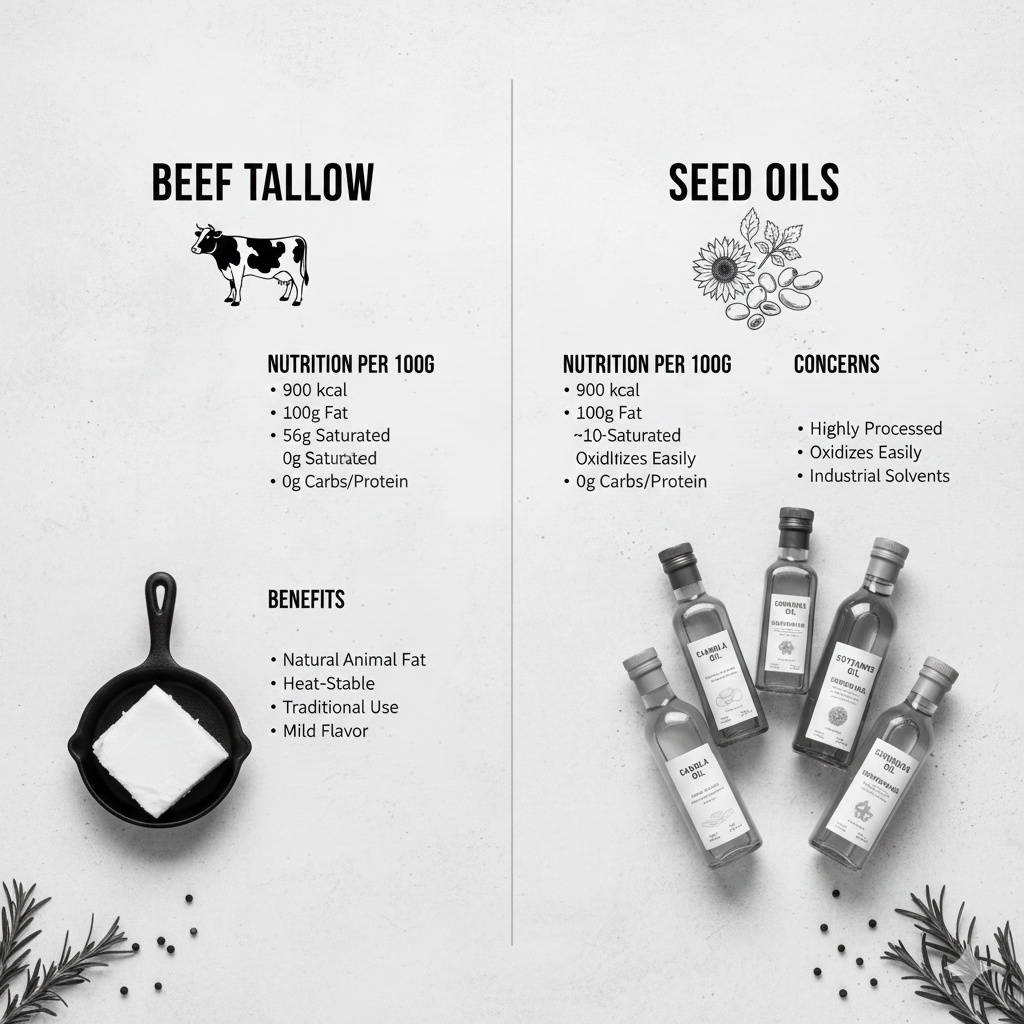
Nutritionally, tallow is a world apart from seed oils. It is composed primarily of saturated and monounsaturated fats, which are highly stable at high cooking temperatures. Unlike the polyunsaturated fats in seed oils, saturated fats do not oxidise readily under heat — meaning they don’t generate the harmful aldehyde and lipid peroxide byproducts that can damage gut tissue.
Tallow also has a dramatically more favourable omega-6 to omega-3 fatty acid ratio compared to most seed oils — particularly when sourced from grass-fed and pasture-raised cattle. Grass-fed tallow contains higher concentrations of conjugated linoleic acid (CLA), a naturally occurring fatty acid associated with anti-inflammatory and immune-modulating properties. It also provides fat-soluble vitamins A, D, E, and K2 — nutrients that play important roles in gut lining integrity and immune regulation.
Crucially, tallow contains very little linoleic acid compared to seed oils. Where soybean oil contains roughly 19% linoleic acid and sunflower oil can reach 60-70%, grass-fed beef tallow contains only around 2-3%. This means that cooking with tallow rather than seed oils substantially reduces your total daily linoleic acid intake — which directly lowers the inflammatory load your gut and immune system must manage.
You can explore our range of premium, grass-fed cooking tallows and tallow-based skincare at Tee’s Tallow — all sourced with quality and purity in mind.
The Gut Barrier: Why Stable Fats Matter
One of the most important — and least discussed — aspects of gut health is the integrity of the gut barrier. This single-cell-thick lining separates the contents of your intestines from your bloodstream. When it functions correctly, it allows nutrients to pass through while blocking harmful substances. When it’s compromised, the result is increased intestinal permeability — leaky gut.
The tight junction proteins that hold gut epithelial cells together are sensitive to dietary inputs, including the types of fat consumed. Diets high in refined seed oils and ultra-processed foods are associated with gut dysbiosis and increased intestinal permeability. When the gut barrier is compromised, inflammatory molecules enter the bloodstream more easily, contributing to systemic inflammation that can manifest as skin conditions, fatigue, joint pain, brain fog, and more.
Stable, minimally processed fats like tallow do not carry this oxidative risk. Because saturated and monounsaturated fats are resistant to heat-induced oxidation, cooking with tallow is far less likely to generate the damaging lipid peroxides that can weaken gut barrier function. For anyone dealing with gut permeability issues, swapping to a stable cooking fat is a logical and evidence-informed first step.
Practical Steps: Making the Switch From Seed Oils to Tallow
Transitioning your kitchen away from seed oils doesn’t need to be overwhelming. Here’s a simple, practical approach to getting started:
1. Audit Your Cupboard
Check the labels on every oil and processed food in your kitchen. Canola, vegetable, sunflower, corn, soybean, safflower, rapeseed, and cottonseed oils are the main culprits. Don’t forget to check condiments, sauces, crisps, crackers, and ready meals — seed oils are hiding in more places than most people realise.
2. Swap Your Cooking Fat
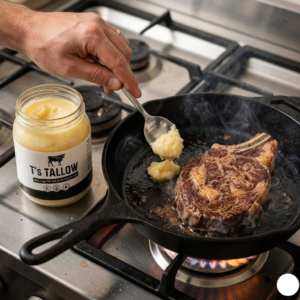
For high-heat cooking — roasting, frying, sautéing, and griddling — replace your existing oil with grass-fed beef tallow. Tallow has a high smoke point (around 250°C / 480°F), making it ideal for the kinds of cooking that would cause seed oils to oxidise and generate harmful byproducts. Our grass-fed cooking tallow is an easy, flavourful swap that works brilliantly with roasted vegetables, meats, and even chips and potatoes.
3. Prioritise Whole Foods
The majority of excess seed oil intake comes not from home cooking but from ultra-processed foods. Reducing your reliance on packaged, convenience, and fast foods automatically reduces your seed oil exposure. Build your meals around whole, unprocessed ingredients.
4. Rebalance Your Omega Ratio
Alongside reducing omega-6 intake, it’s worth actively increasing omega-3 consumption. Fatty fish like mackerel, sardines, and salmon are the most bioavailable sources. Flaxseed and chia seeds also contribute, though plant-based omega-3s convert less efficiently. Research published in Frontiers in Nutrition (2025) suggests that a balanced omega-6/omega-3 ratio supports greater microbial diversity and a more favourable gut microbiome profile.
5. Support Your Microbiome Actively
While removing seed oils reduces one key stressor on your gut, actively supporting your microbiome is equally important. Incorporate fermented foods (kefir, live yoghurt, sauerkraut, kimchi), prebiotic-rich vegetables (garlic, onions, leeks, asparagus), and plenty of dietary fibre from whole plant foods. These steps work synergistically with reducing seed oil intake to restore microbial balance.
Is This Approach Right for Everyone?
It’s worth being clear-eyed here. The nutrition science around dietary fats is genuinely complex, and no single dietary change is a magic bullet. Mainstream health organisations, including the American Heart Association and NHS, still recommend limiting saturated fat intake and favour polyunsaturated fats for cardiovascular health — a position backed by significant epidemiological evidence.
The argument for reducing seed oils is not that saturated fat is universally superior, but rather that the specific type and quality of fat matters enormously, and that the dramatic rise in industrial seed oil consumption over the past 80 years has introduced novel dietary stressors — particularly high-heat oxidised PUFAs and an extreme omega-6/omega-3 imbalance — that our gut microbiomes were not evolved to handle.
If you have existing cardiovascular conditions, are pregnant, or are managing a diagnosed digestive disorder, it’s important to consult with a qualified healthcare professional or registered dietitian before making significant changes to your dietary fat intake. What we advocate at Tee’s Tallow is a return to quality, tradition, and real food — not a blanket rejection of evidence-based medicine.
The Bottom Line
Your gut is extraordinarily sensitive to the quality of what you eat — and the fats you cook with are no exception. The industrial seed oils that have dominated Western kitchens since the mid-20th century are increasingly implicated in the gut dysbiosis, intestinal permeability, and chronic inflammation that underlie many of the most common digestive complaints of our time.
Beef tallow — particularly from grass-fed, pasture-raised cattle — is a stable, traditional cooking fat that provides the body with fats it recognises and can use effectively, without the oxidative instability, extreme omega-6 loading, or gut-disruptive properties of industrially processed seed oils.
Making the switch is not about nostalgia. It’s about giving your gut a fighting chance.
Ready to make the change? Explore our full range of premium, ethically sourced grass-fed beef tallow at teestallow.com — and join the growing community of people rediscovering what real cooking fat feels like.
References
- Deol, P. et al. (2023). Diet High in Linoleic Acid Dysregulates the Intestinal Endocannabinoid System and Increases Susceptibility to Colitis in Mice. University of California Riverside. UCR News
- Frontiers in Nutrition (2025). Insight into the effects of Omega-3 fatty acids on gut microbiota: impact of a balanced tissue Omega-6/Omega-3 ratio. Frontiers in Nutrition
- InnerBuddies. Seed Oils and Inflammation: Hidden Culprits Affecting Gut Microbiome and Overall Health. InnerBuddies.com
- Mind Health Connect (2026). Seed Oils and Inflammation: A Functional Nutrition Perspective. MindHealthConnect.ca
- Lynne Cohen Foundation (2024). The Surprising Connection Between Seed Oils and Inflammation. LynneCohenFoundation.org
- DiNicolantonio, J. J., & O’Keefe, J. H. (2018). Omega-6 vegetable oils as a driver of coronary heart disease. Open Heart, 5(2), e000898.
- Lim, R. et al. (2022). Gut microbiome responses to dietary intervention with hypocholesterolemic vegetable oils. npj Biofilms and Microbiomes. Nature.com

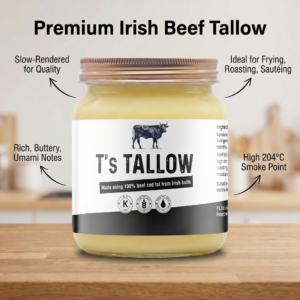
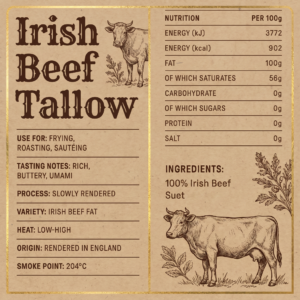

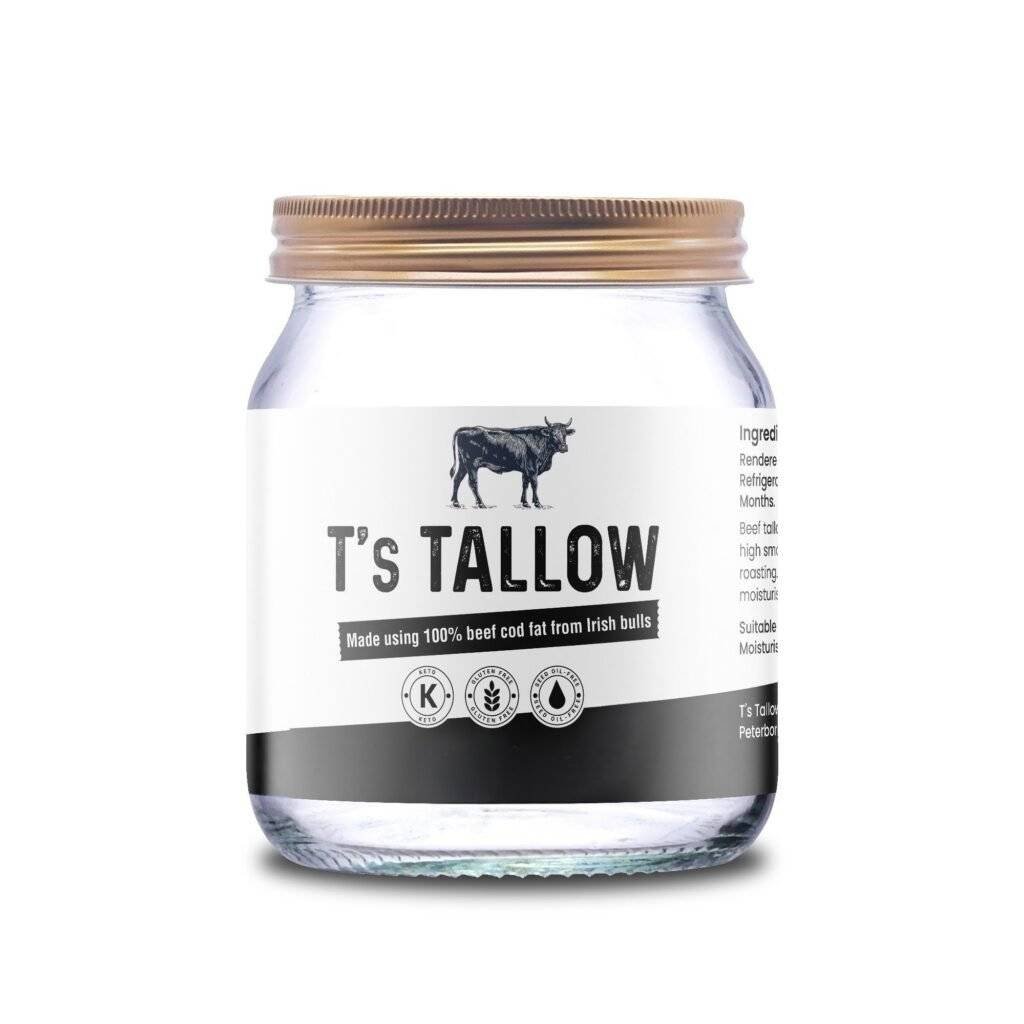
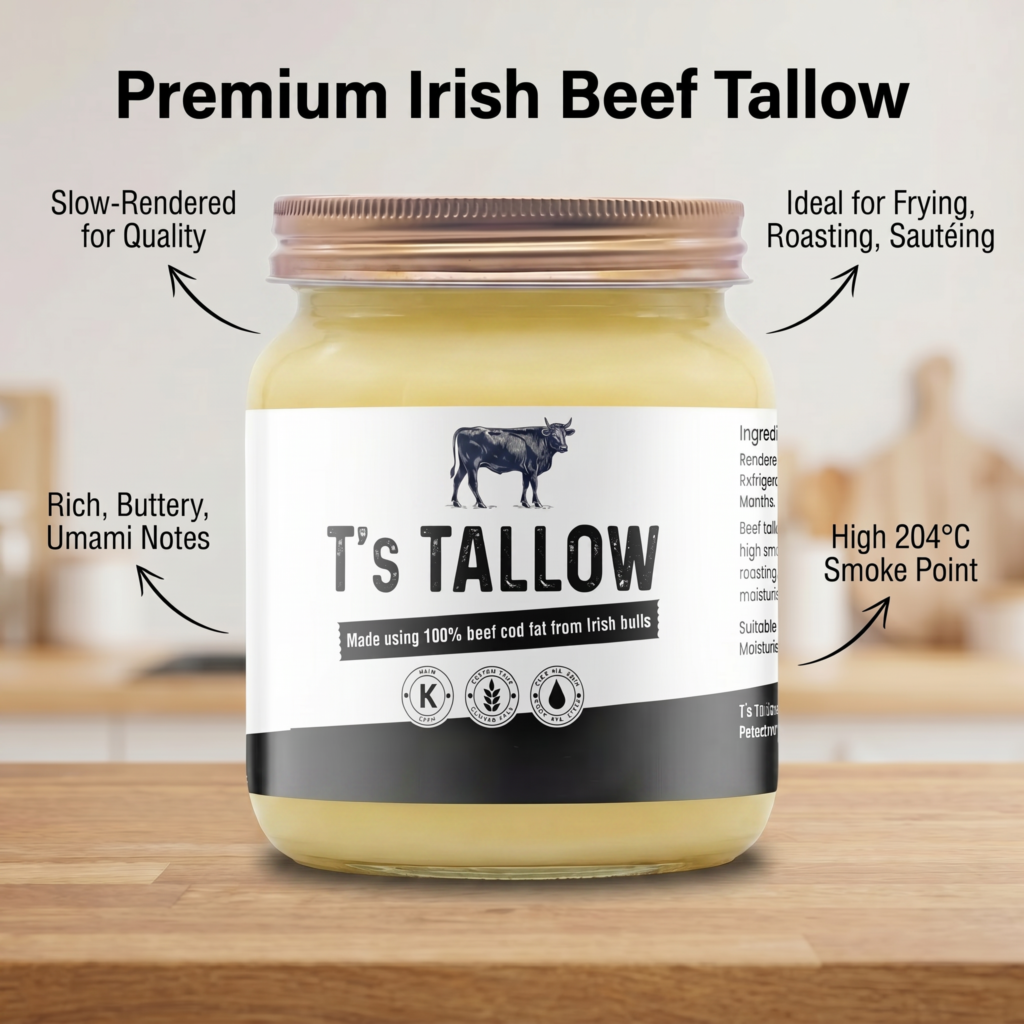
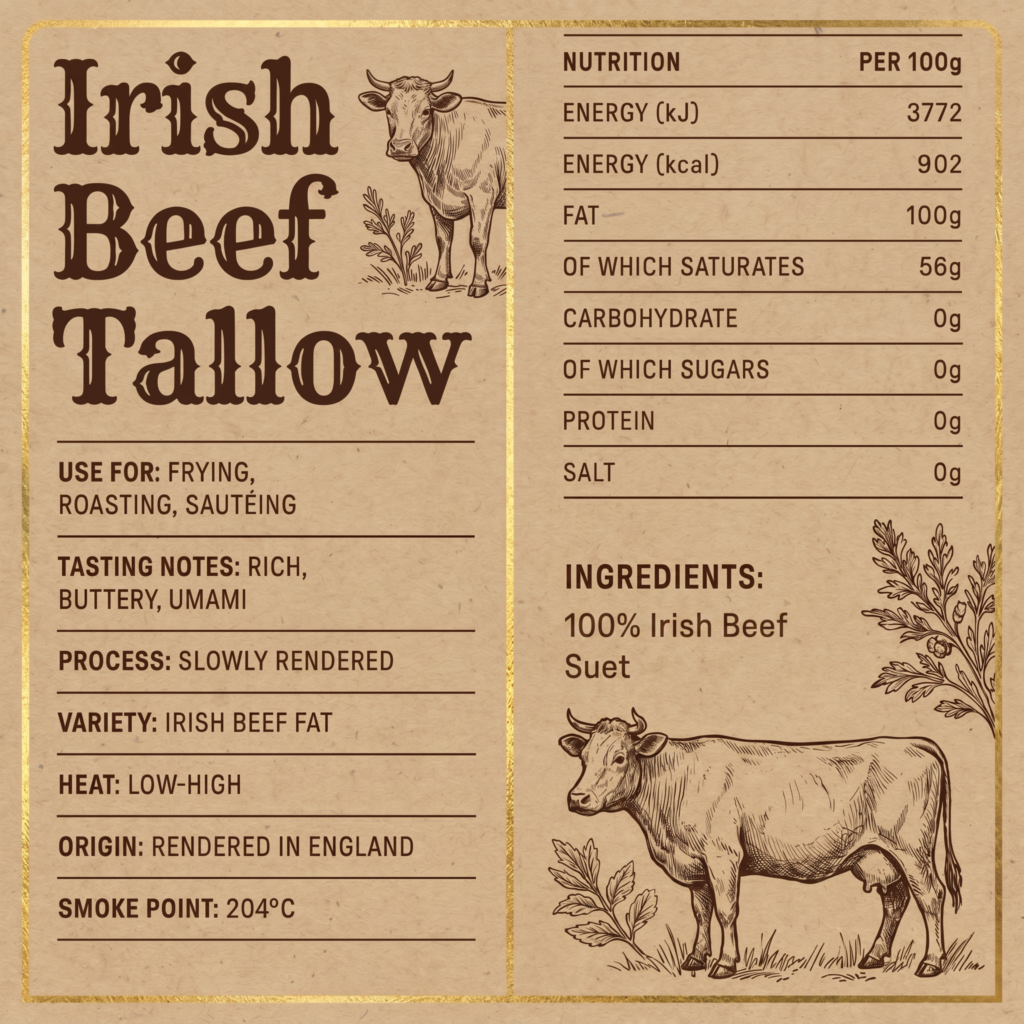
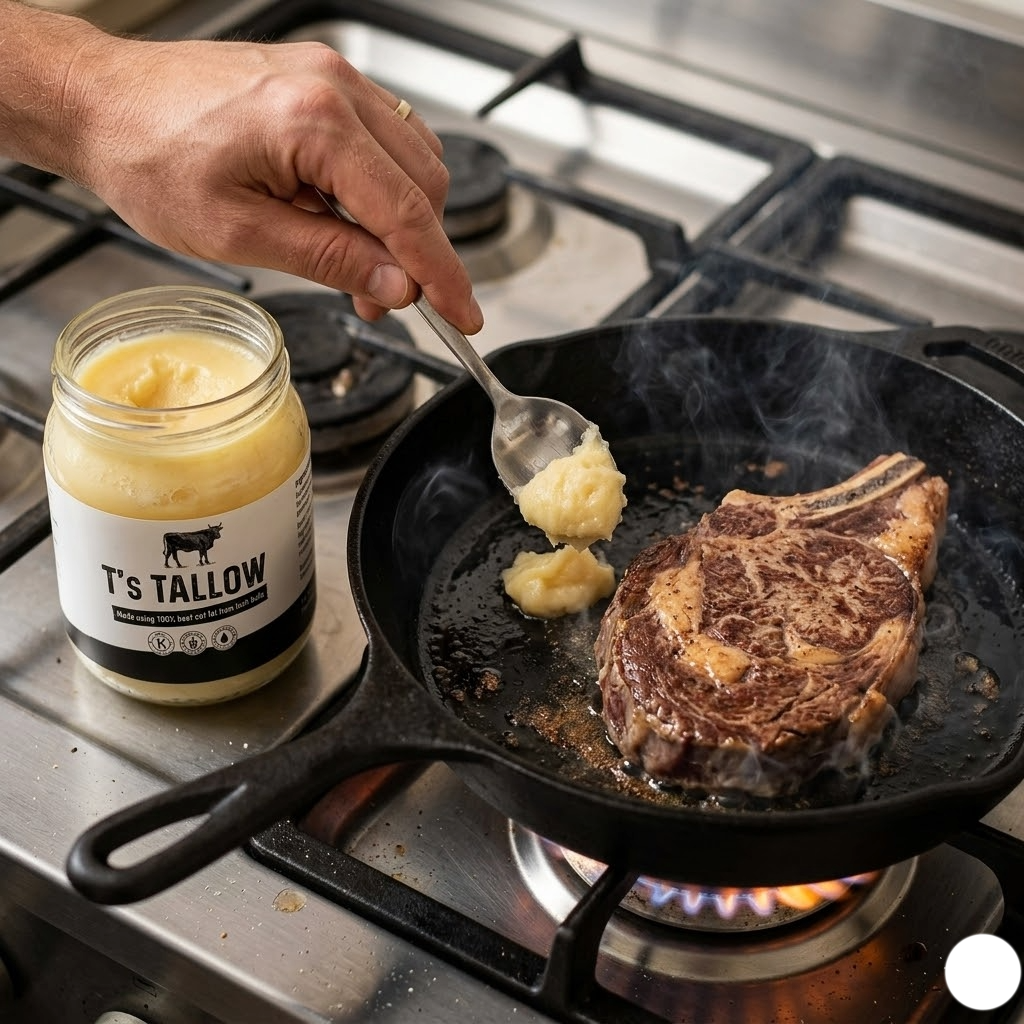
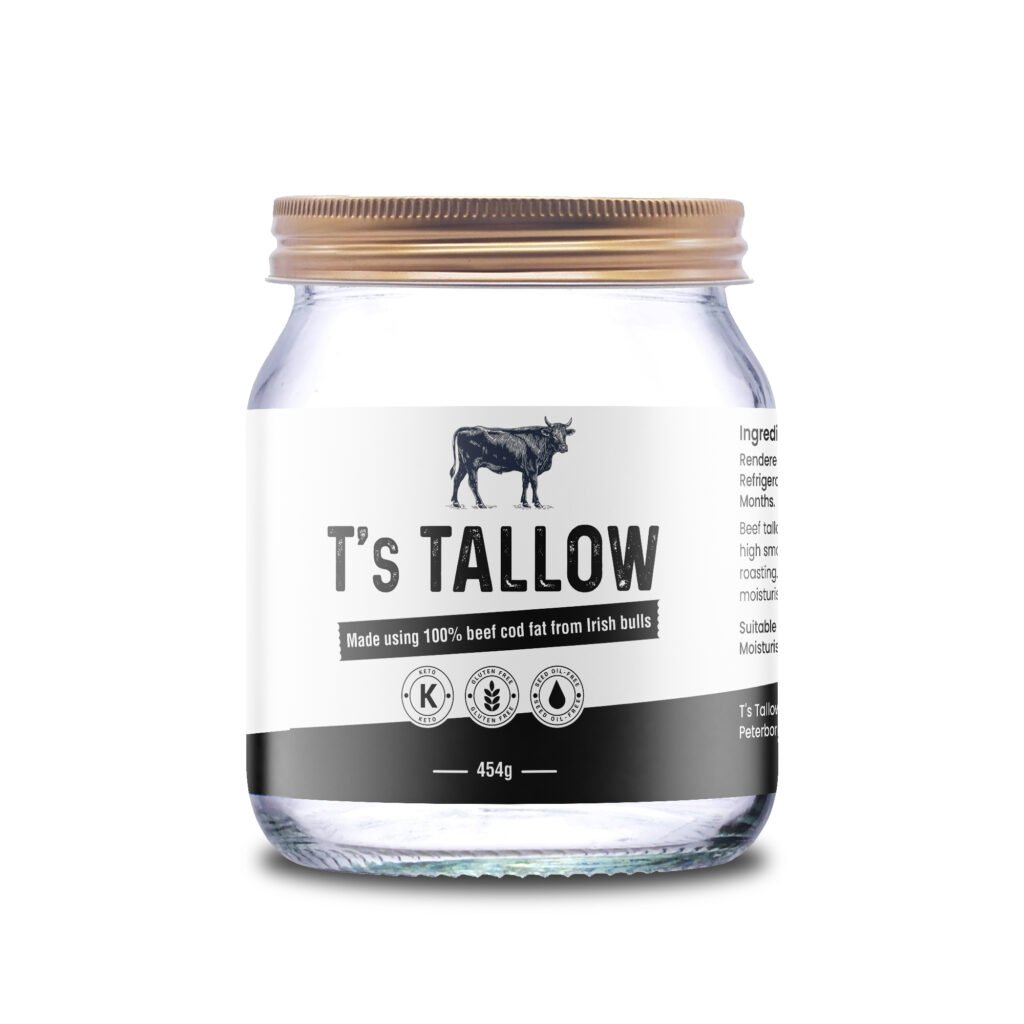
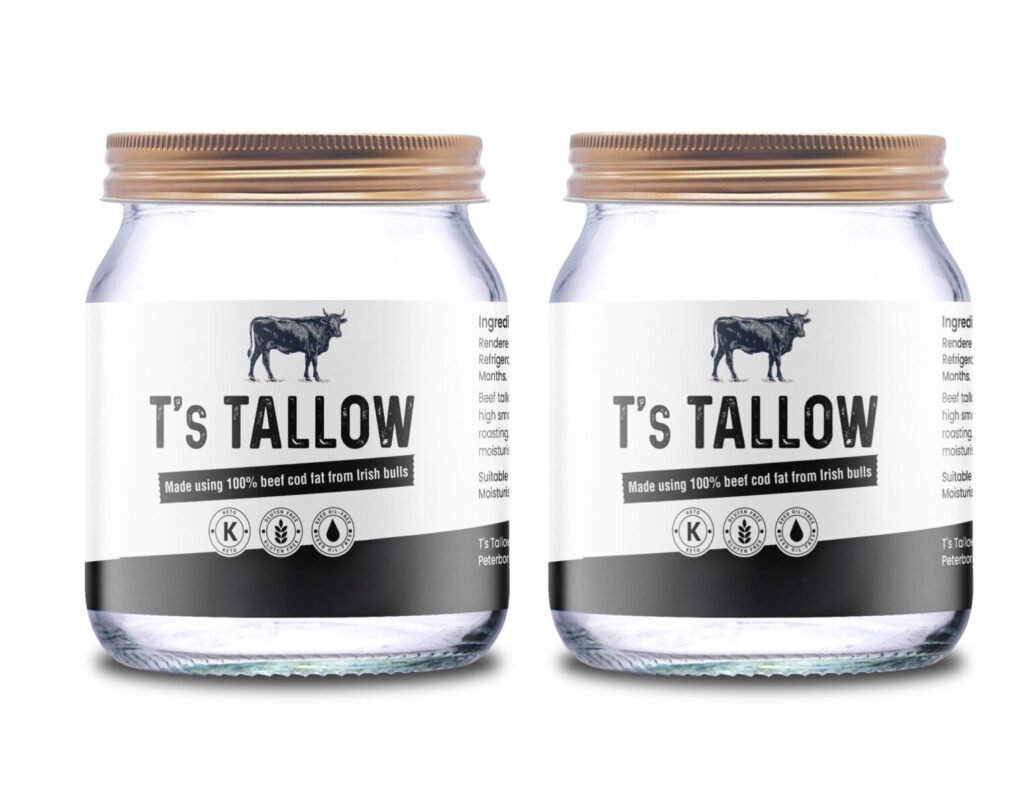
Pure Irish Beef Tallow for Cooking 258g
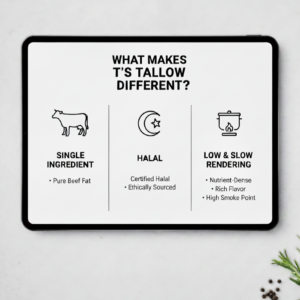
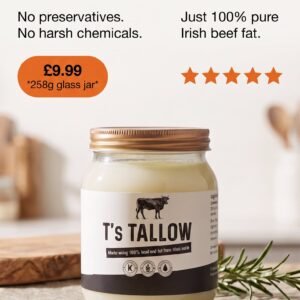
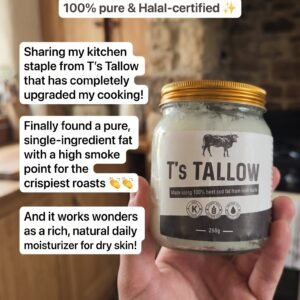
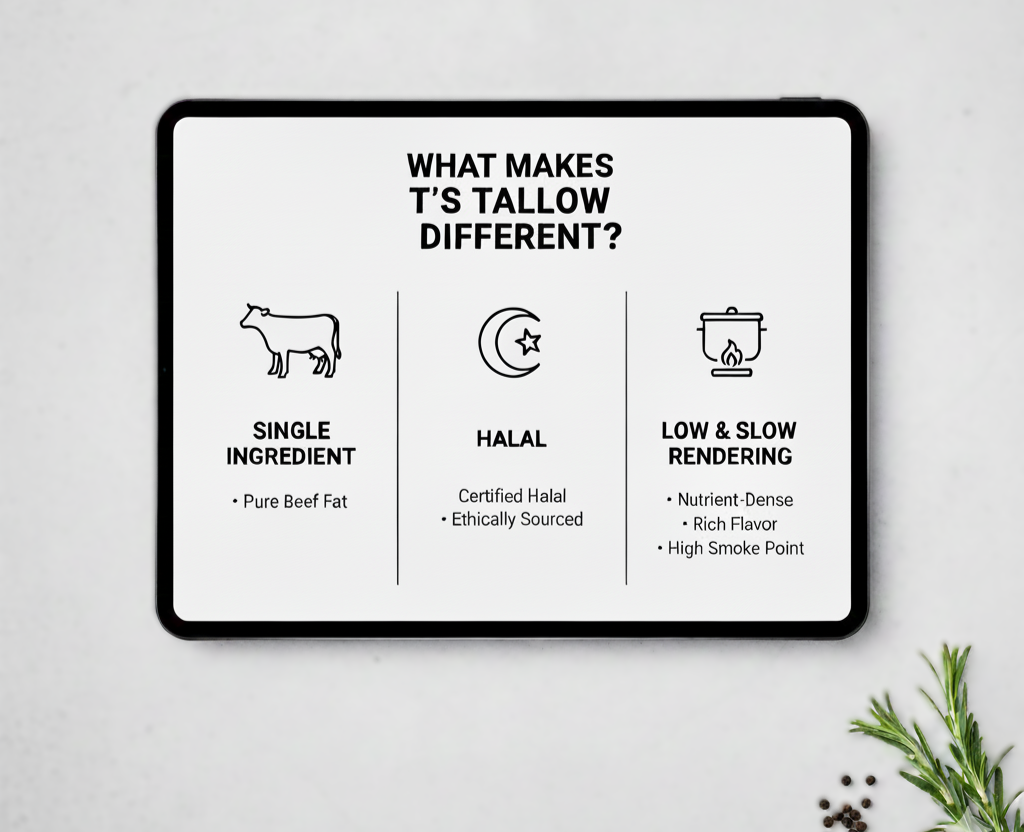
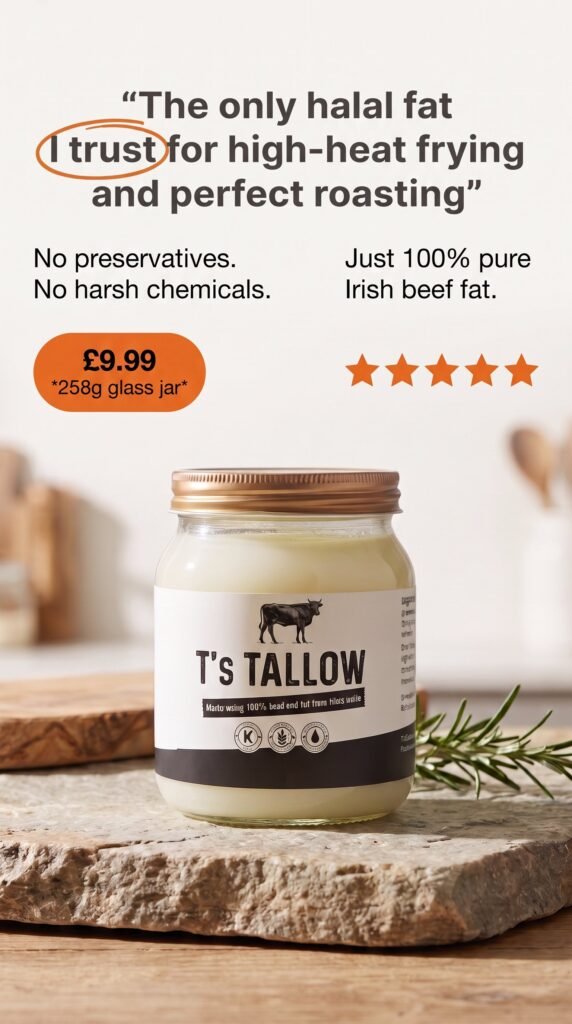
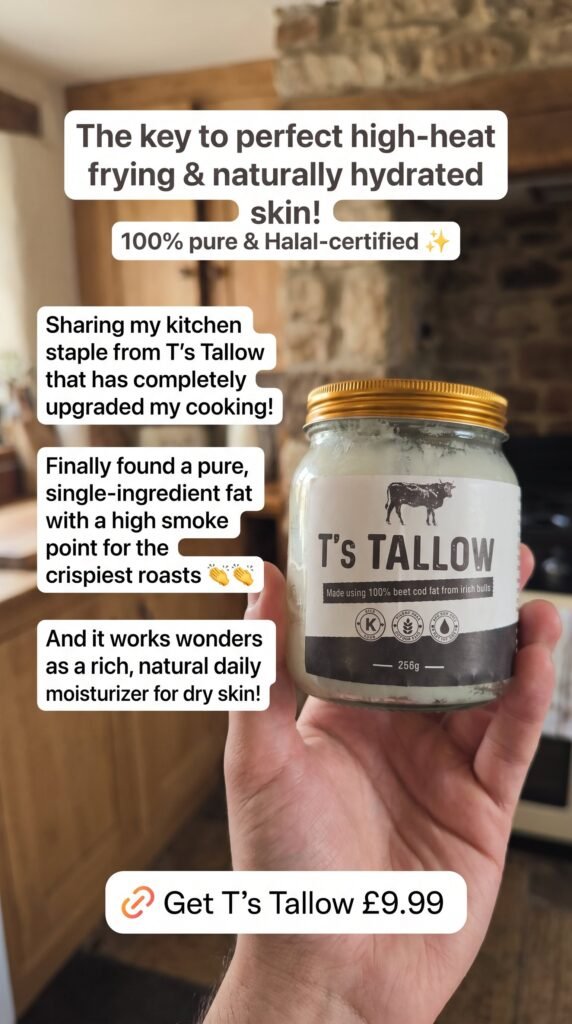
Our bestseller, pure Irish Halal beef tallow, is rendered low and slow to preserve quality and taste. This versatile cooking fat can be used for various cooking activities, it’s stable under high heat, and isn’t harmful in high-heat applications. Made in the UK and packaged in a glass bottle. Check our bundle deals for more savings!
T's Tallow
Proudly powered by WordPress