Introduction
Beef tallow has rapidly gained attention in the skincare world, yet many dermatologists remain sceptical. Common claims suggest it is pore-clogging, outdated, or inferior to modern formulations.
But are these concerns fully justified?
As more people move toward natural skincare, it’s worth examining whether traditional advice aligns with emerging evidence and real-world results. This article explores why some dermatological views on beef tallow may be incomplete and what the science and user experience actually suggest.
The Traditional Dermatology Perspective
Most dermatologists are trained within a framework that prioritises:
- Lab-formulated skincare
- Standardised ingredients
- Clinically tested actives (e.g. retinoids, acids)
Within this model, natural fats like beef tallow are often dismissed due to:
- Concerns about pore clogging
- Lack of large-scale clinical trials
- Preference for non-comedogenic synthetic formulations
However, this perspective does not always account for how closely certain natural substances mimic human biology.
The Key Argument: Skin Compatibility
One of the strongest arguments in favour of beef tallow is its similarity to human sebum.
Human skin naturally produces oils composed of:
- Saturated fats
- Monounsaturated fats
- Lipids that protect and repair the skin barrier
Beef tallow contains a very similar fatty acid structure, including:
- Oleic acid
- Palmitic acid
- Stearic acid
This means it can:
- Absorb more efficiently
- Work with the skin rather than sitting on top of it
- Support natural oil balance
Learn more about how tallow interacts with skin:
https://teestallow.com/blog/is-beef-tallow-good-for-skin/
The “Pore-Clogging” Myth
One of the most common criticisms is that beef tallow is comedogenic (pore-clogging).
However, this claim is often oversimplified.
Comedogenic ratings:
- Are based on outdated or inconsistent testing methods
- Do not account for individual skin differences
- Often fail to reflect real-world usage
In practice, many users report:
- Reduced breakouts
- Improved skin balance
- Less irritation compared to synthetic products
This is likely because tallow helps regulate oil production rather than disrupting it.
Skin Barrier Function: What Research Shows
Modern dermatology increasingly recognises the importance of the skin barrier.
A damaged barrier leads to:
- Dryness
- Irritation
- Increased acne
- Sensitivity
Research highlights that restoring lipids is essential for healthy skin.
For a deeper scientific explanation, see:
https://www.ncbi.nlm.nih.gov/pmc/articles/PMC4885180/
Beef tallow supports this by:
- Replenishing lost lipids
- Reducing transepidermal water loss
- Strengthening the outer skin layer
This aligns with current research, yet is often overlooked in favour of synthetic moisturisers.
The Problem with Modern Skincare
Many commercial skincare products rely on:
- Preservatives
- Fragrances
- Emulsifiers
- Petroleum-derived ingredients
While effective in some cases, these can also:
- Irritate sensitive skin
- Disrupt the skin barrier
- Create dependency on multiple products
This has led to a growing movement toward simpler, ingredient-focused skincare.
Beef tallow fits into this approach as:
- A single-ingredient moisturiser
- Free from unnecessary additives
- Compatible with sensitive skin
Real-World Results vs Clinical Bias
One limitation in dermatology is the reliance on clinical trials over anecdotal evidence.
While clinical data is important, it often:
- Focuses on patentable ingredients
- Ignores traditional or natural remedies
- Lags behind real-world trends
Many users report positive results using tallow for:
- Acne
- Eczema
- Dry skin
- Skin barrier repair
Read more about acne and tallow here:
https://teestallow.com/blog/beef-tallow-for-acne/
This growing body of user experience is contributing to renewed interest in traditional skincare.
Quality Matters: Not All Tallow Is Equal
Another reason for scepticism is poor-quality products.
Low-quality tallow may:
- Contain impurities
- Be improperly rendered
- Have a strong smell
High-quality tallow, especially grass-fed and properly processed, is very different.
Learn how to identify clean tallow:
https://teestallow.com/blog/how-to-make-odorless-beef-tallow/
This distinction is rarely made in general dermatology advice.
Why Dermatologists Are Cautious
Dermatologists are cautious for valid reasons:
- Lack of large-scale clinical trials
- Variability in natural products
- Risk of misuse by consumers
However, this caution can sometimes lead to overgeneralisation, where beneficial traditional ingredients are dismissed without full consideration.
A More Balanced View
Rather than asking whether dermatologists are wrong, a more useful question is whether current skincare advice is incomplete.
A balanced perspective would recognise that:
- Synthetic products have their place
- Natural ingredients can also be effective
- Skin biology should guide ingredient choice
Beef tallow represents a bridge between traditional knowledge and modern understanding of the skin barrier.
Conclusion
The criticism of beef tallow in dermatology is not entirely unfounded, but it is often incomplete.
When you consider:
- Its similarity to human skin oils
- Its ability to support the skin barrier
- The growing body of real-world results
It becomes clear that beef tallow deserves a more nuanced evaluation.
As skincare continues to evolve, the most effective approach may not be choosing between modern and traditional, but understanding how both can work together.
FAQs
Is beef tallow safe for facial use?
Yes, when properly rendered and used in small amounts.
Why do some dermatologists dislike tallow?
Mainly due to lack of clinical trials and concerns about pore clogging.
Can tallow replace moisturiser?
For many people, yes, it can function as a complete, natural moisturiser.
What Brands do you recommend?
There are many to choose from, but teestallow stands out as being affordable and high quality. Take a look here
For those exploring simpler, more natural skincare, beef tallow is worth serious consideration when sourced and used correctly.
Best selling products
-
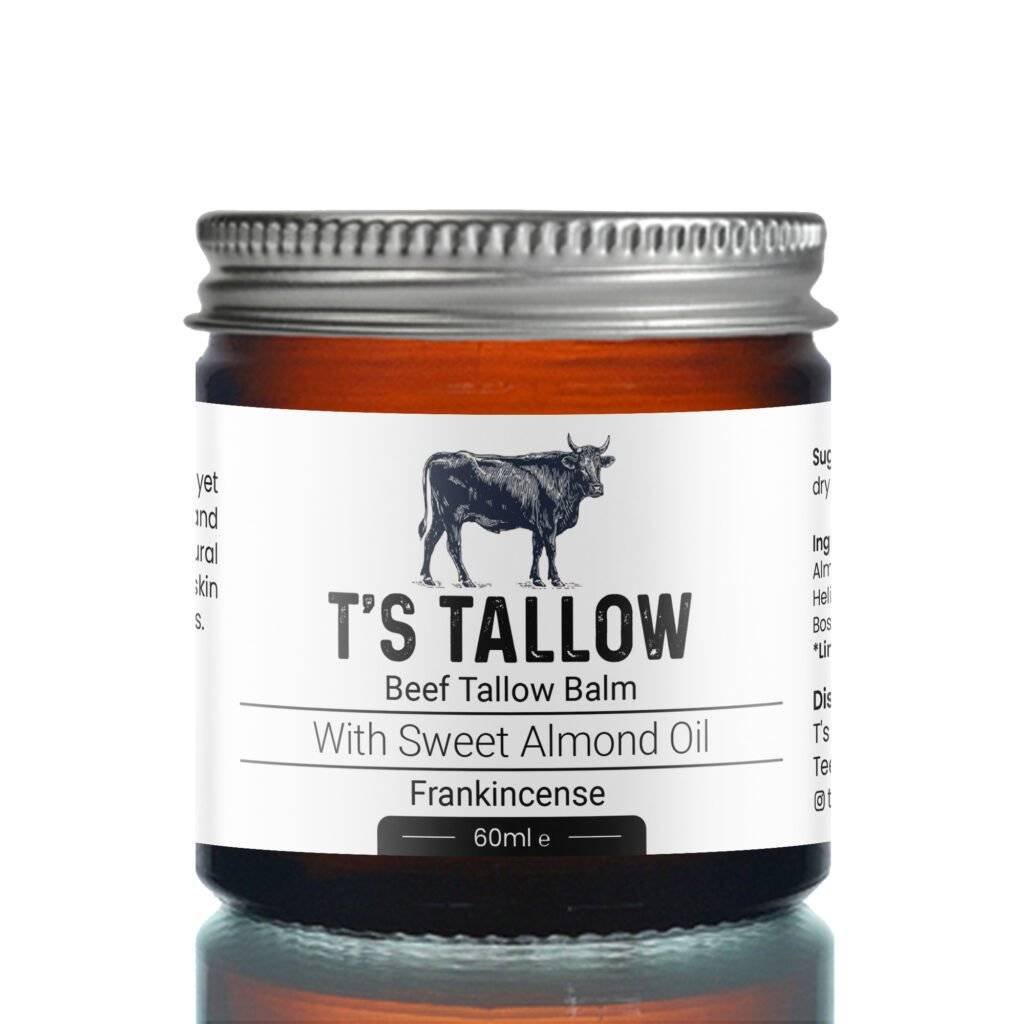
New Irish Beef Tallow and Raw Honey Balm with Omani Frankincense
£13.99 -
2x Irish Beef Tallow and Raw Honey Balm Bundle UK
Original price was: £27.98.£23.99Current price is: £23.99. -
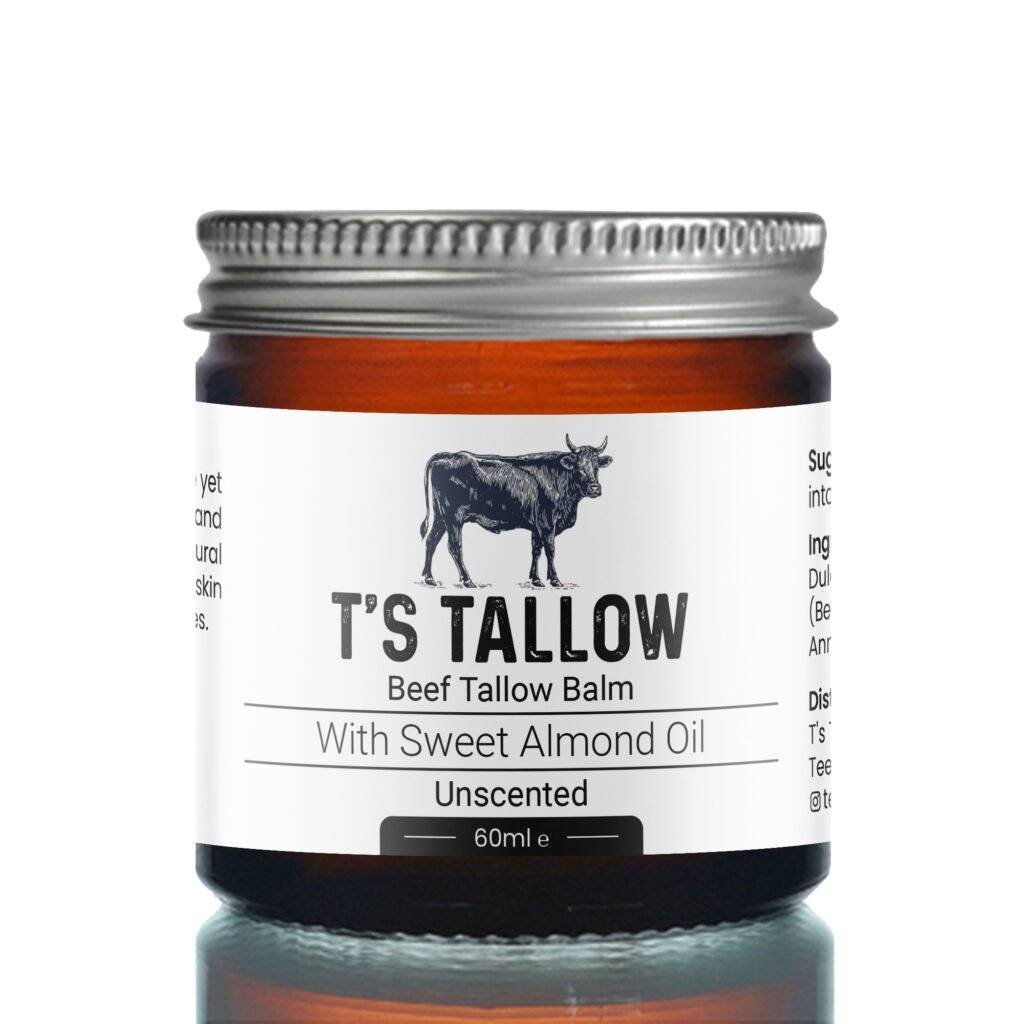
New Irish Beef Tallow and Raw Honey Balm Unscented
£13.99 -
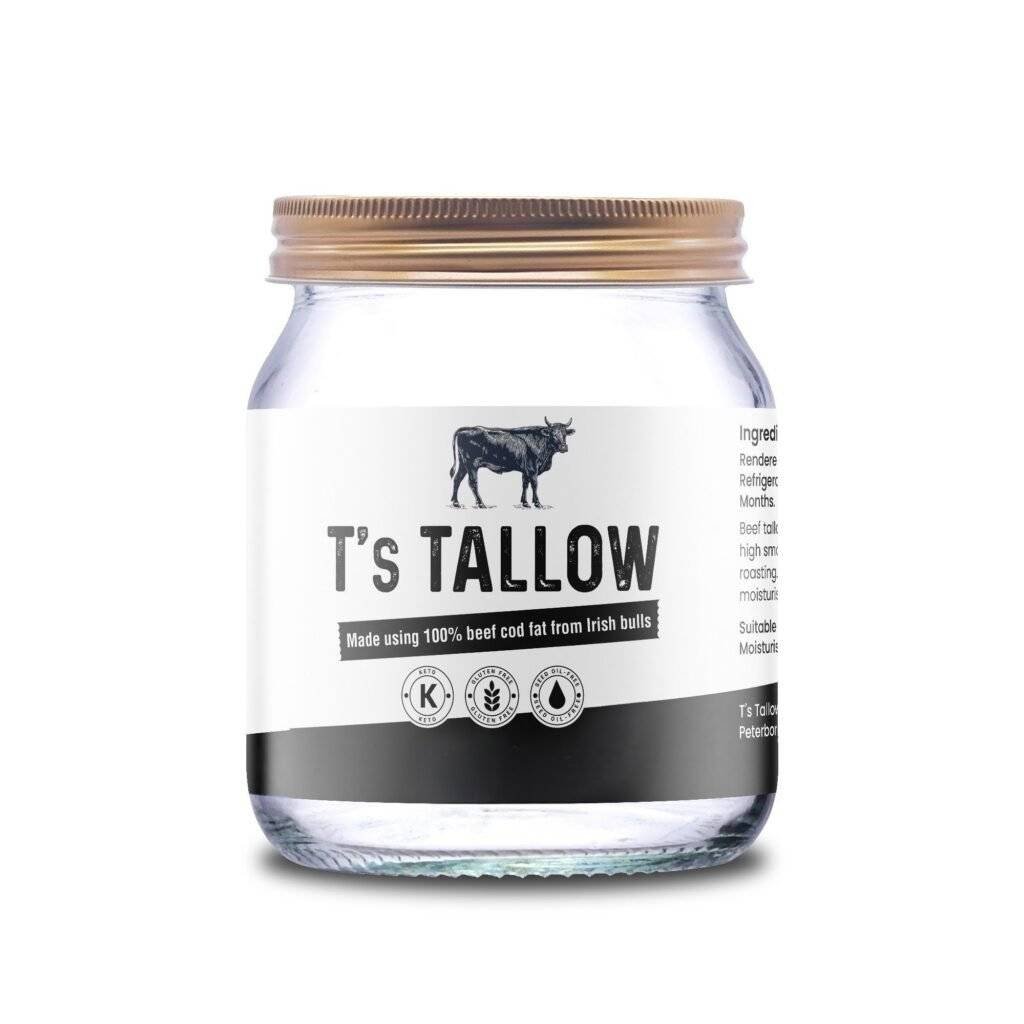
Pure Irish Beef Tallow for Cooking 258g
Price range: £9.99 through £14.99 -
Pure Irish Beef Tallow Bundle for Cooking 258g x 2
Original price was: £19.98.£14.99Current price is: £14.99.

Proudly powered by WordPress