
Introduction
One of the biggest concerns people have when using beef tallow is the smell. While properly rendered tallow should have a mild scent, sometimes it can come out strong or “beefy”—especially if it hasn’t been processed correctly.
The good news? You can easily make odourless (or near-odourless) beef tallow at home with the right method.
In this guide, you’ll learn exactly how to remove unwanted smells and create clean, neutral tallow that’s perfect for cooking, skincare, and even candles.
Why Does Beef Tallow Smell?
Before fixing the issue, it helps to understand the cause.
Strong-smelling tallow usually happens due to:
- Impurities (blood, meat bits) left in the fat
- High heat during rendering
- Poor-quality or non-fresh fat
- Lack of proper filtering
The key to odourless tallow is cleaning and gently processing the fat.
What You’ll Need
To make odourless beef tallow, gather:
- Raw beef fat (suet is best)
- Water
- Salt (optional but helpful)
- Large pot or slow cooker
- Fine strainer or cheesecloth
- Glass jars for storage
Step-by-Step: How to Make Odourless Beef Tallow
Step 1: Trim and Prepare the Fat
Start by removing any:
- Meat
- Blood spots
- Connective tissue
Cut the fat into small chunks or grind it. Smaller pieces render more evenly and cleanly.
Step 2: First Render (Low and Slow)
Place the fat in a pot or slow cooker and add a small amount of water.
- Use low heat only
- Let it melt slowly over several hours
- Avoid frying or browning the fat
👉 High heat is the #1 reason tallow develops a strong smell.
We have a more in-depth blog about what tallow is and how it’s made here
Step 3: Strain the Liquid
Once fully melted:
- Strain the liquid through cheesecloth into a clean container
- Remove all solid bits (these can cause odour later)
At this stage, the tallow may still have a slight smell—that’s normal.
Step 4: The Key Step – Water Washing
This is what makes tallow truly odourless.
- Pour the melted tallow into a bowl
- Add warm water
- Add a pinch of salt (optional, helps draw out impurities)
- Stir gently
- Let it cool completely
As it cools, the fat will solidify on top while impurities settle in the water below.
Step 5: Separate and Repeat
- Remove the solid tallow layer
- Discard the dirty water
- Repeat the washing process 2–3 times until the water is clear
Each round removes more odour and impurities.
Step 6: Final Melt and Store
After washing:
- Melt the clean tallow one last time
- Pour into airtight glass jars
- Let it cool and solidify
You should now have light-colored, neutral-smelling tallow.
What Does Odourless Tallow Look Like?
Properly cleaned tallow should be:
- Pale white or cream-colored
- Firm at room temperature
- Mild or nearly scent-free
If it’s yellow and smells strong, it likely needs more cleaning.
Pro Tips for Truly Neutral Tallow
- Use suet (kidney fat): It produces the cleanest result
- Don’t rush the process: Low heat is essential
- Wash multiple times: This is where the magic happens
- Avoid burnt bits: Even small amounts can affect smell
Common Mistakes to Avoid
❌ Rendering on High Heat
This “cooks” the fat and creates a strong odour.
❌ Skipping the Water Wash
Without this step, the smell often remains.
❌ Using Low-Quality Fat
Old or poorly handled fat will always smell stronger.
❌ Not Straining Properly
Leftover particles can spoil the tallow and affect the scent.
Why Odourless Tallow Matters
Neutral tallow is much more versatile. You can use it for:
- Cooking without altering flavour
- Skincare products like balms and creams
- Soap and candle making
It gives you all the benefits of tallow—without the smell.
Final Thoughts
Making odourless beef tallow isn’t complicated—it just requires the right technique and a bit of patience.
By rendering slowly, filtering carefully, and using the water washing method, you can transform raw beef fat into a clean, neutral product that’s suitable for almost any use.
Once you try it, you’ll never go back to store-bought alternatives.
FAQs
Can tallow ever be completely odourless?
It will usually have a very faint natural scent, but it can be close to neutral.
How many times should I wash tallow?
Typically 2–3 times, but more if needed.
Why is my tallow still smelly after washing?
It may have been overheated or contain impurities—try another wash or start with better-quality fat.
If you want high-quality results from your tallow—whether for cooking or skincare—mastering this odour-removal process is a game-changer.
-
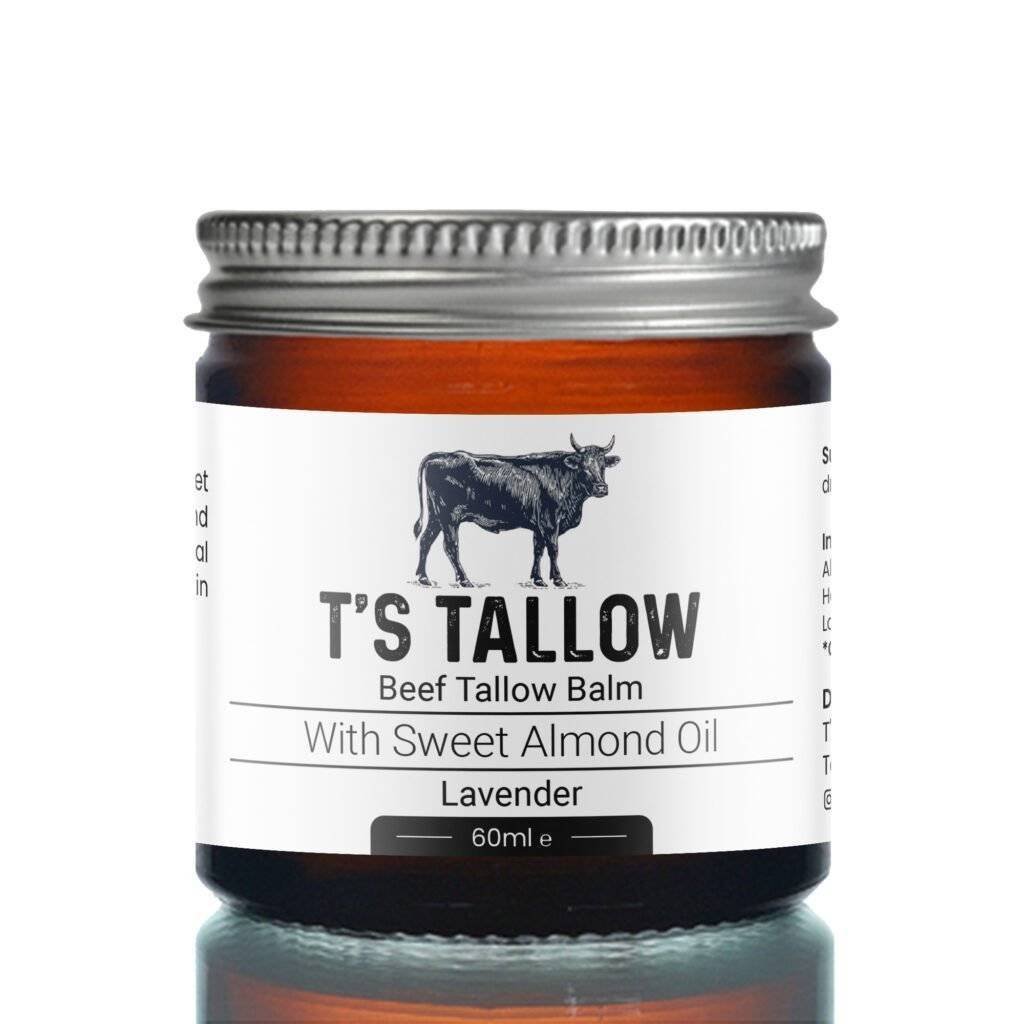
New Irish Beef Tallow and Raw Honey Balm with Organic Lavender
£13.99 -
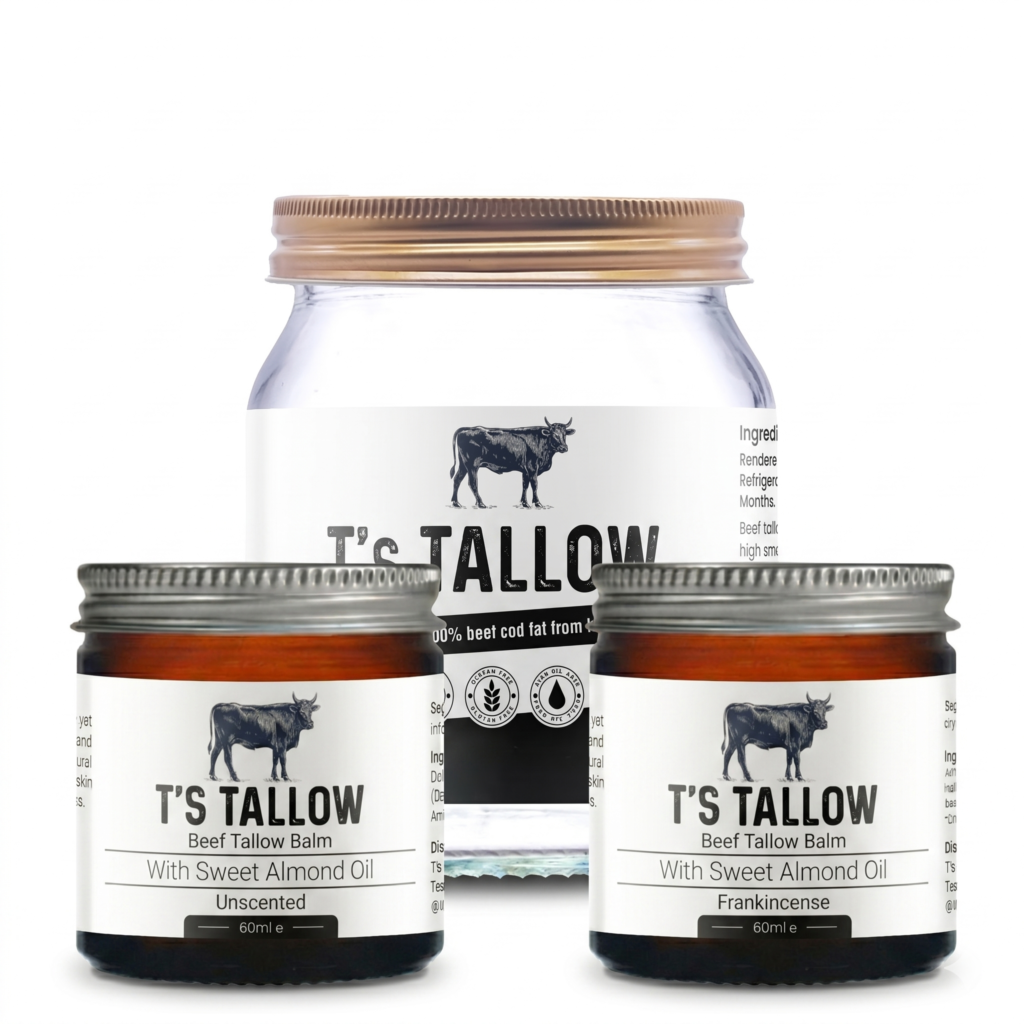
Nourishment Inside and Out Bundle
Original price was: £37.99.£28.99Current price is: £28.99. -
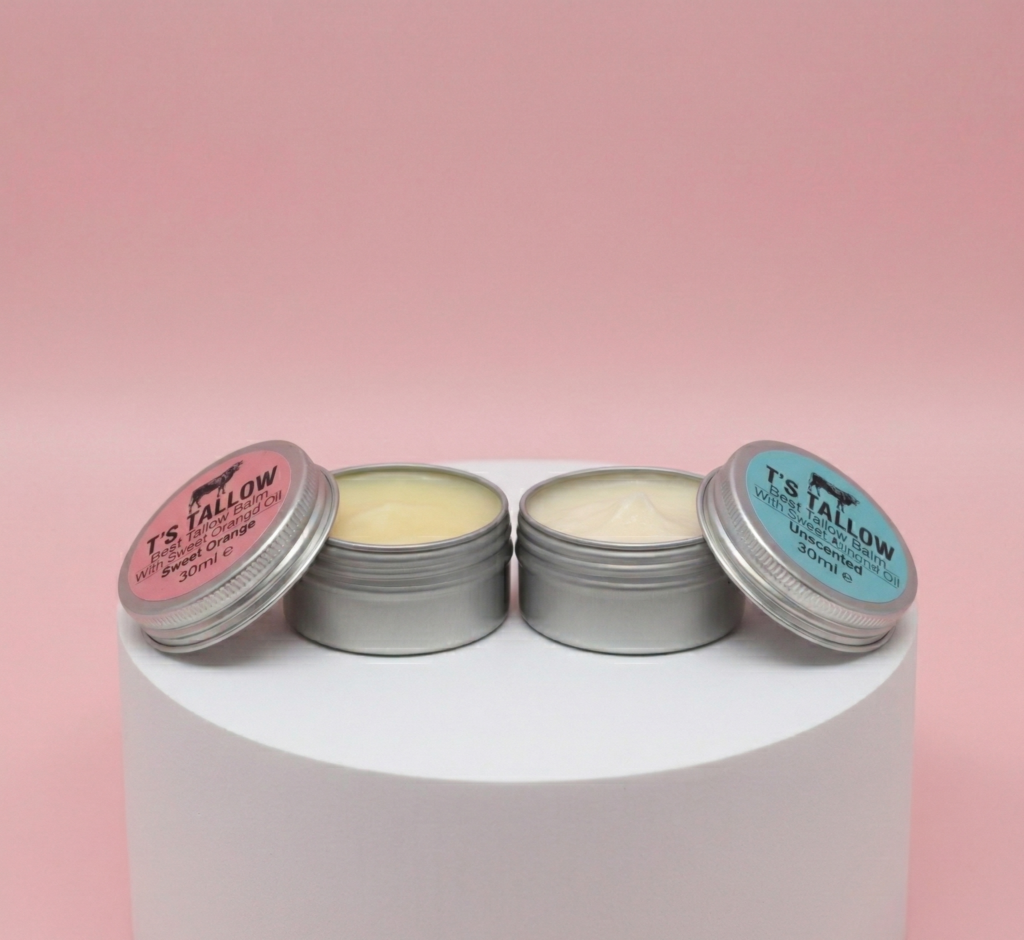
Sweet Orange and Unscented Beef Tallow Balm
Original price was: £15.98.£13.99Current price is: £13.99.
T's Tallow
Proudly powered by WordPress