Introduction
Natural skincare is evolving—and consumers are becoming far more ingredient-conscious. Two of the most talked-about traditional moisturisers today are beef tallow and shea butter.
At first glance, they seem similar: both are rich, natural fats used to hydrate and protect the skin. But when you look deeper, their composition, absorption, and long-term effects are very different.
In this guide, we’ll break down the science, real-world performance, and key differences between these two ingredients—so you can make the best choice for your skin.
If you’re new to tallow skincare, start with our guide: https://teestallow.com/blog/is-beef-tallow-good-for-skin/
What Makes a Good Moisturiser?
A high-quality moisturiser should:
- Strengthen the skin barrier
- Prevent moisture loss (TEWL)
- Deliver essential nutrients
- Absorb effectively without clogging pores
Both tallow and shea butter achieve this—but in very different ways.
Beef Tallow: Deep Dive
Beef tallow is rendered fat, typically from suet, and is uniquely compatible with human skin.
Fatty Acid Profile
- Oleic acid (40–50%)
- Palmitic acid (20–30%)
- Stearic acid (10–20%)
This closely mirrors human sebum, making it highly absorbable.
Skin Benefits of Beef Tallow
1. Deep Absorption
Tallow penetrates the skin rather than sitting on top.
2. Skin Barrier Repair
Helps restore damaged or dry skin at a structural level.
3. Rich in Vitamins
Contains vitamins A, D, E, and K in bioavailable forms.
4. Ideal for Sensitive Skin
Minimal ingredients = lower irritation risk.
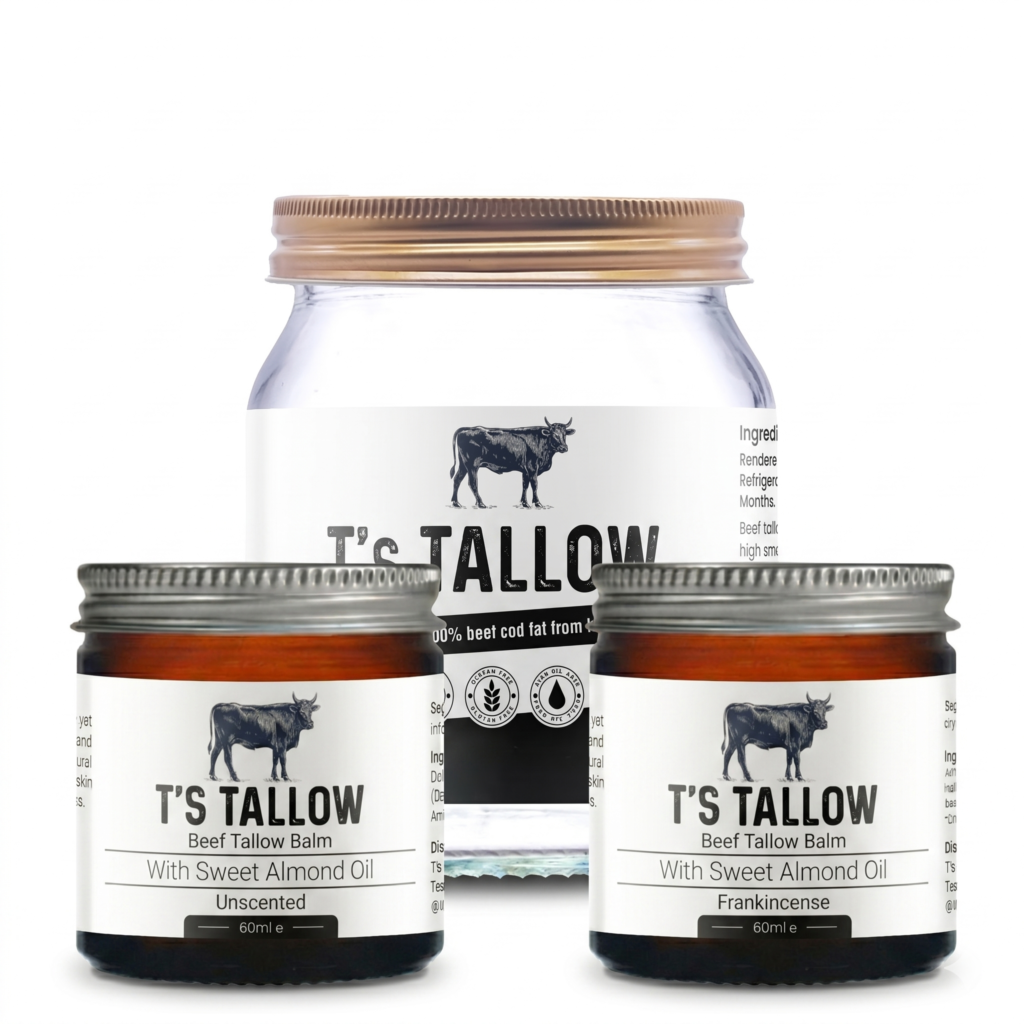
Explore a natural option here: https://teestallow.com/product/beef-tallow-balm/
Shea Butter: Deep Dive
Shea butter is a plant-based fat known for its thick texture and protective qualities.
Key Components
- Oleic acid
- Stearic acid
- Plant antioxidants
Skin Benefits of Shea Butter
1. Strong Moisture Barrier
Prevents water loss effectively.
2. Anti-Inflammatory
Helps calm irritated or inflamed skin.
3. Protective Layer
Ideal for harsh weather conditions.
Beef Tallow vs Shea Butter: Key Differences
Absorption
- Tallow: Deep, fast absorption
- Shea: Sits on the surface
Winner: Beef tallow
Skin Feel
- Tallow: Lightweight, non-greasy
- Shea: Thick and sometimes heavy
Winner: Beef tallow
Moisture Protection
- Tallow: Nourishes
- Shea: Seals
Winner: Depends on your goal
Acne & Pore Health
- Tallow: Generally well tolerated
- Shea: Can clog pores for some
Winner: Beef tallow
Real-World Results
Beef Tallow
- Better long-term hydration
- Improved skin texture
- Less irritation over time
Shea Butter
- Immediate softness
- Strong protection
- Better for the body than the face (for many people)
Which One Should You Choose?
Choose Beef Tallow If You Want:
- Deep skin nourishment
- Better absorption
- Support for sensitive or acne-prone skin
Learn more about how it compares to modern skincare: https://teestallow.com/blog/beef-tallow-vs-seed-oils/
Choose Shea Butter If You Want:
- A vegan option
- Thick, protective moisture
- Barrier support in harsh conditions
Can You Combine Them?
Yes—and many high-quality products do.
Combining both gives you:
- Deep nourishment (tallow)
- Surface protection (shea)
This creates a more balanced skincare product overall.
External Backed Insights
According to dermatology research, maintaining a healthy skin barrier is essential for preventing irritation and dryness. Ingredients rich in fatty acids—like tallow and shea butter—play a key role in this.
For more scientific insight into skin barrier function, see:
External Link: https://www.ncbi.nlm.nih.gov/pmc/articles/PMC4885180/
Why Grass-Fed Tallow Matters
The quality of tallow depends heavily on sourcing.
Grass-fed tallow tends to have:
- Higher nutrient density
- Better fatty acid balance
- Cleaner overall profile
👉 Read more here: https://teestallow.com/blog/grass-fed-beef-vs-regular-beef/
Final Verdict
Both ingredients are powerful—but they serve different roles.
- Beef tallow = nourishment, repair, compatibility
- Shea butter = protection, sealing, barrier support
👉 For most people, beef tallow offers better overall skin benefits, especially for facial skincare.
FAQs
Is beef tallow better than shea butter?
For absorption and skin compatibility, yes.
Can I use both together?
Yes—this is often the best approach.
Is tallow safe for daily use?
Yes, when properly sourced and rendered.
Conclusion
When comparing beef tallow vs shea butter, the biggest difference lies in how they interact with your skin.
While shea butter protects the surface, beef tallow works with your skin on a deeper level—making it one of the most effective natural skincare ingredients available.
If you’re looking to upgrade your routine with something truly aligned with your skin biology, beef tallow is a powerful choice.
👉 Explore premium tallow skincare:
https://teestallow.com/
Products by Category
-
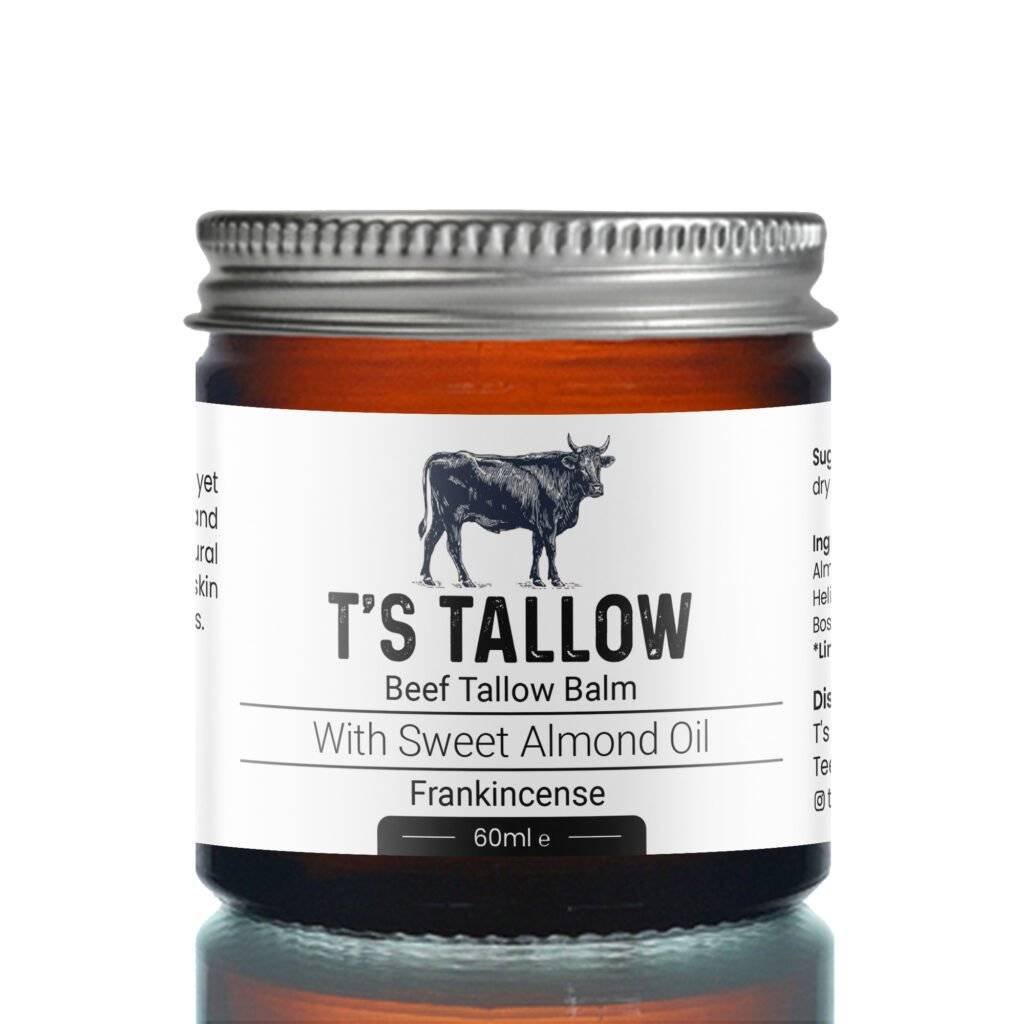
New Irish Beef Tallow and Raw Honey Balm with Omani Frankincense
£13.99 -
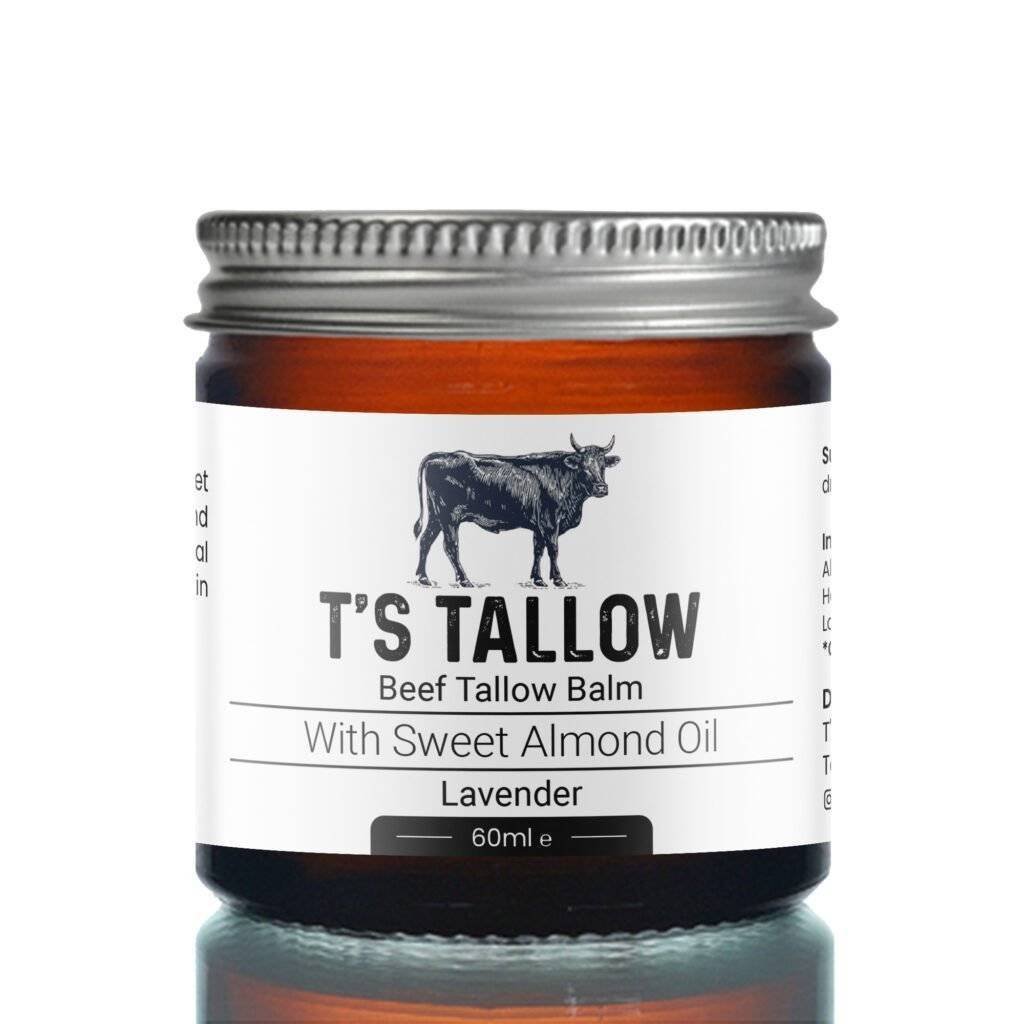
New Irish Beef Tallow and Raw Honey Balm with Organic Lavender
£13.99 -
Nourishment Inside and Out Bundle
Original price was: £37.99.£28.99Current price is: £28.99. -
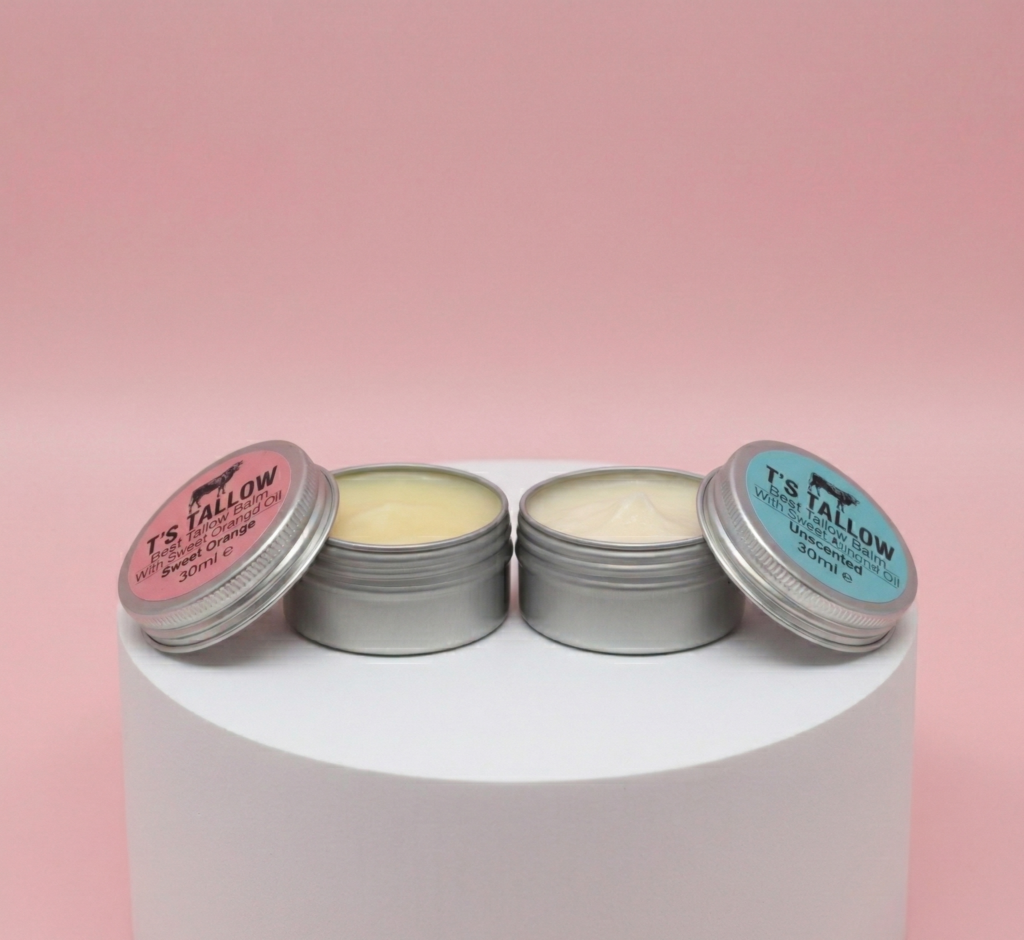
Sweet Orange and Unscented Beef Tallow Balm
Original price was: £15.98.£13.99Current price is: £13.99.