
When it comes to nutrition, trends come and go. One decade it’s low-fat everything, the next it’s plant-based oils. But quietly, one traditional fat has been making a steady comeback — beef tallow.
At T’s Tallow, we’ve already explored what beef tallow is, how it’s made, and even tackled the debate around seed oils. Now, let’s take a deeper look at why beef tallow might just be the most underrated “superfat” you’re not using enough of.
What Makes Beef Tallow Different?
Beef tallow is rendered fat from cattle, typically sourced from suet (the fat around the kidneys). Unlike highly processed vegetable oils, tallow is minimally refined and has been used for centuries in cooking, skincare, and even candle-making.
But what really sets it apart today is its balance of stability, nutrients, and versatility.
A Fat That Can Handle the Heat
One of the biggest advantages of beef tallow is its high smoke point. This makes it ideal for frying, roasting, and searing without breaking down into harmful compounds.
Compare that to many seed oils, which can oxidise at high temperatures and potentially contribute to inflammation. Tallow stays stable — which means your food stays cleaner and more nutrient-dense.
Packed with Nutrients
Beef tallow isn’t just empty calories. It contains:
- Fat-soluble vitamins like A, D, E, and K
- Conjugated Linoleic Acid (CLA), linked to metabolic health
- Healthy saturated and monounsaturated fats
These nutrients are essential for hormone production, brain function, and overall cellular health.
Supporting a More Natural Diet
For those moving toward a whole-food or ancestral style of eating, beef tallow fits right in. It’s:
- Natural and minimally processed
- Free from industrial refining methods
- Aligned with traditional diets that sustained generations
Instead of relying on modern, heavily marketed oils, tallow reconnects us with how people have cooked for centuries.
Not Just for Cooking
One of the most surprising things about beef tallow is its versatility.
Beyond the kitchen, it’s commonly used for:
- Skincare (as a natural moisturiser)
- Soap making
- Lip balms and body creams
Because its fatty acid profile is similar to human skin, it absorbs well and supports skin barrier health without synthetic additives.
Why It’s Making a Comeback
More people are questioning ultra-processed foods and looking for simpler, more transparent options. Beef tallow ticks a lot of boxes:
- Sustainable when sourced responsibly
- Nutrient-dense
- Multi-purpose
- Rooted in tradition
It’s not about rejecting all modern foods — it’s about reintroducing what worked before everything became industrialized.
Final Thoughts
Beef tallow isn’t new. In fact, that’s exactly why it’s so powerful.
In a world full of complicated ingredient lists and conflicting advice, sometimes the best option is the one that’s been around all along.
If you’re looking to simplify your diet, cook with more stability, or explore natural alternatives in your daily routine, beef tallow is well worth a closer look.
And if you haven’t already, check out our other blogs on teestallow.com to continue learning about traditional fats, modern myths, and how to make better choices for your health.
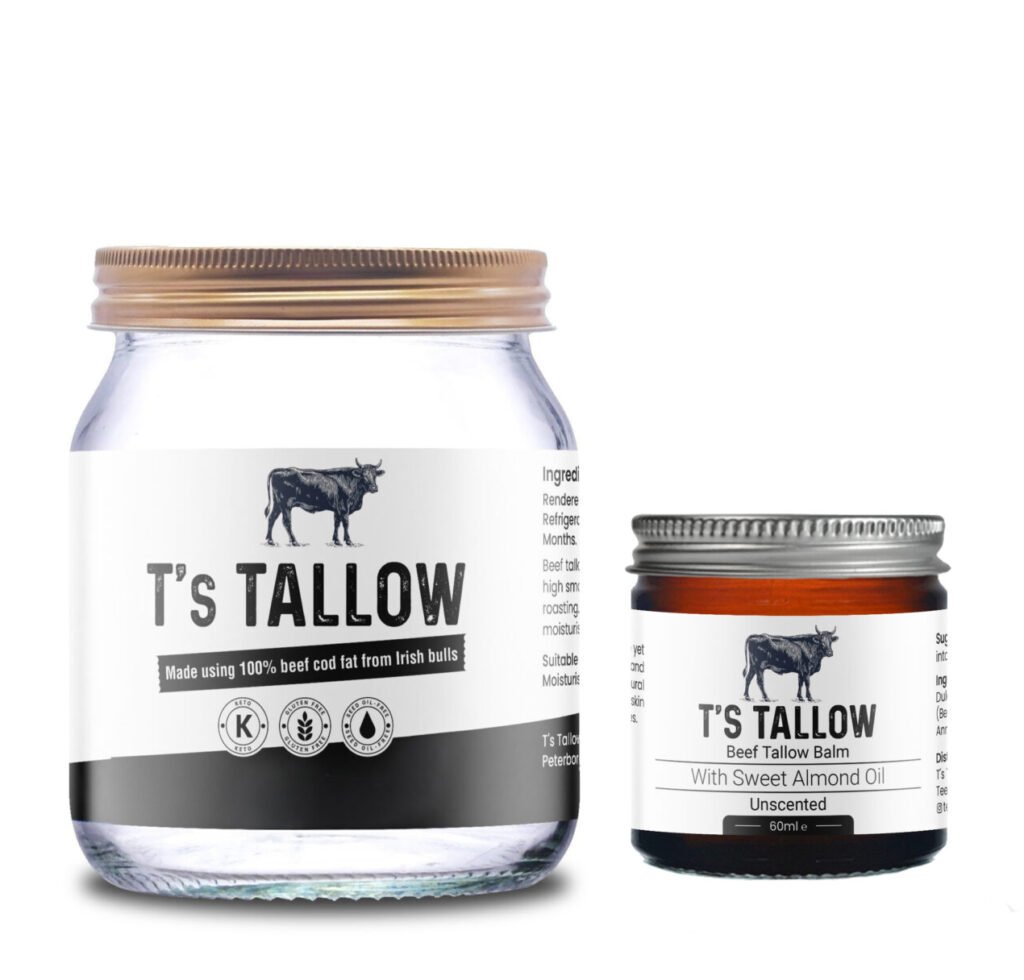
Ultimate Skin + Body Reset Bundle
Save with our bundle deal. Get 1 each of our bestsellers. Beef tallow is great for healthy cooking and an unscented balm for soft, nourished skin. Now with added raw honey.